
Underwater inspection
From May 2022 has Dyk Och Sport Gotland initiated a collaboration with Era Marine Ab where together we will be the first to offer underwater inspections on Gotland.
Who are Era Marine?
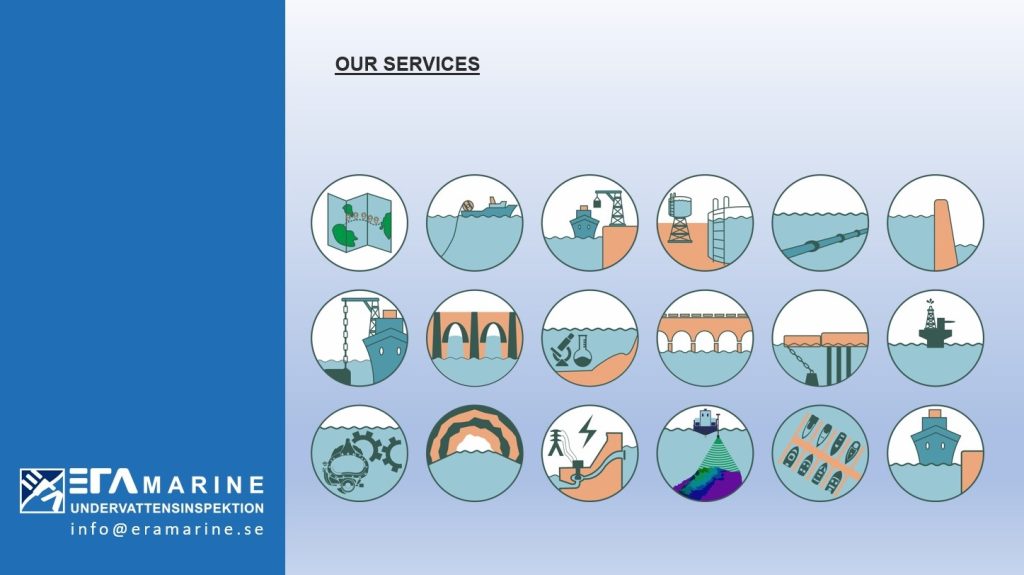
Era Marine AB is a technical underwater inspection company and performs services such as diving inspections, ROV inspections, bottom mapping with Multibeam sonar, mapping of VA lines with sonar / sidescan, and other diving-related services. They are also exclusive resellers for VideoRay (underwater robots) as well as some other companies around the world. They have also manufactured a simulator to facilitate training for those who buy ROV or want to become an ROV pilot. Era Marine has built our own high pressure systems for its ROV which makes it easier to wash underwater structures.
CABLES, SEA PIPES & PIPES
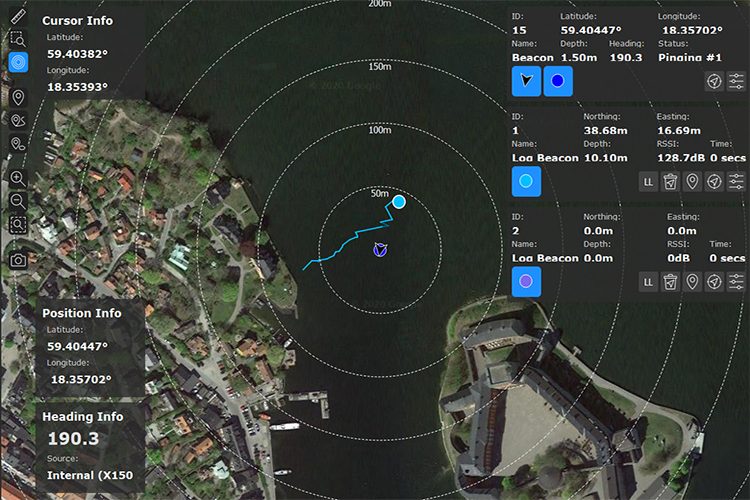
Positioning and inspection of submarine cable / lines and pipes. Knowing where and how these are located is of the utmost importance for maintenance and for being able to draw maps correctly for operation and maritime safety in such a correct way. Era Marine helps to position during closure and to map movements and status over time. Even in the reconnaissance of, for example, the intended cable route, it has been shown that Vår ROV with its unique properties is an effective aid. What the bottom looks like determines the type of cable and path you choose. Positioning ensures that it ends up in the right place. Era Marine documents everything in film, sonar and images are submitted on USB. For this, a report is written with visual material and maps. Positions taken out in WGS84 are delivered in raw file gpx. and Excel documents.
BOTTOM INSPECTION OF QUAYS AND PORTS
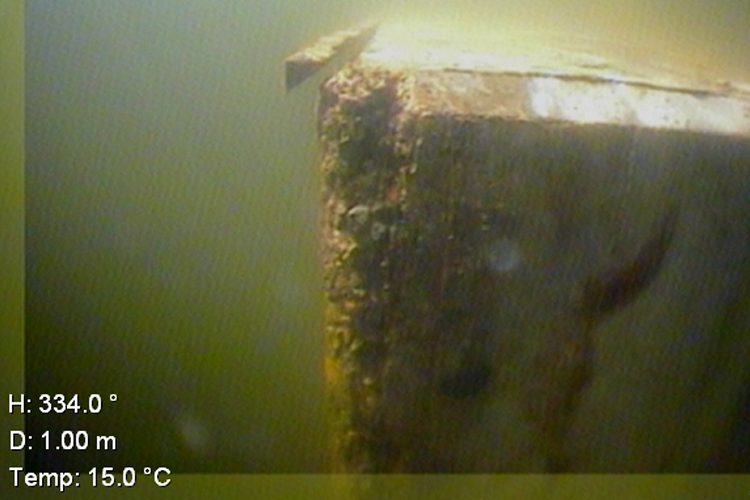
After construction at the quay, harbor or other place where people and boats stay, it is important to search the bottom so that no rubbish, building materials etc. are present on the bottom to prevent the risk of damage. We also look at bottom depth and how filling masses are distributed on the bottom where depth is adjusted in some way. With ROV equipped with sonar, you can quickly and easily see what the bottom looks like regardless of visibility or water quality.
SHIP
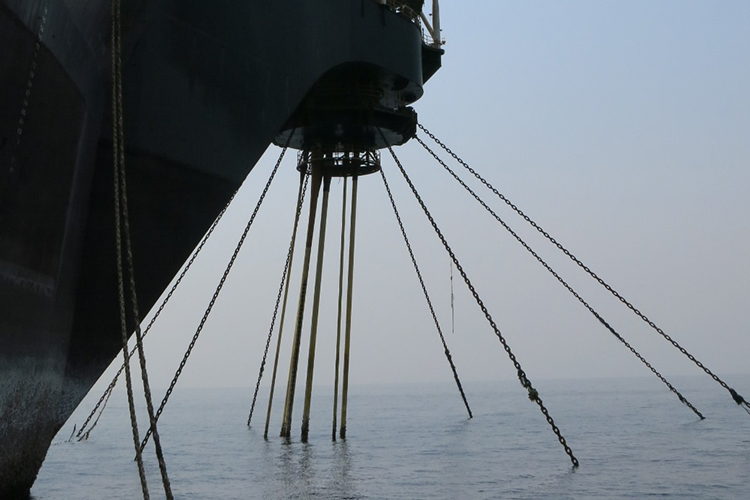
ROV is used for regular inspections of ships and cruise ships. With the sledge mounted on the top, the ROV travels steadily to document the condition of the hull and propellers. With the Cygnus ultrasonic meter, it is possible to measure the thickness of the steel on the hull and ballast tank. This saves time and money compared to putting the ship in a dry dock for inspection.
ACCUMULATOR TANK & CISTERN
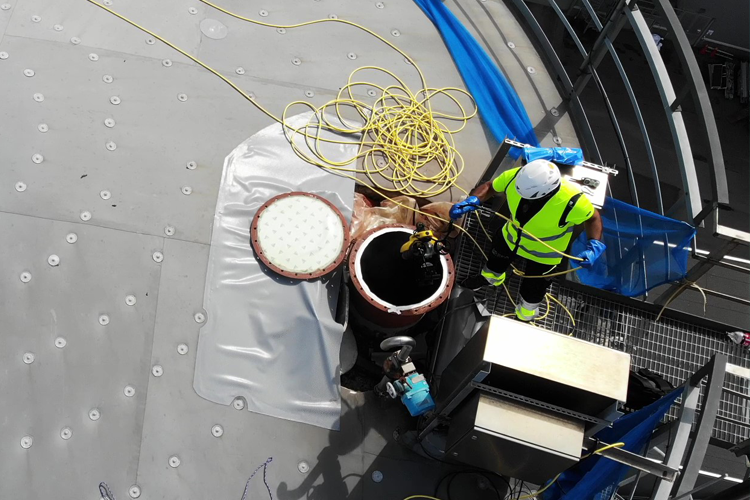
Some spaces that store liquid are hazardous to inspect even when drained of water. The lack of oxygen becomes a fact when emptying and in the worst case, dangerous gases can also be formed to inhale. Therefore, all tanks and containers should be inspected liquid-filled and with ROV. Narrow spaces, openings and chambers get through ROV with ease and provide an overview of status.
RESCUE SERVICE, CUSTOMS, SEA POLICE
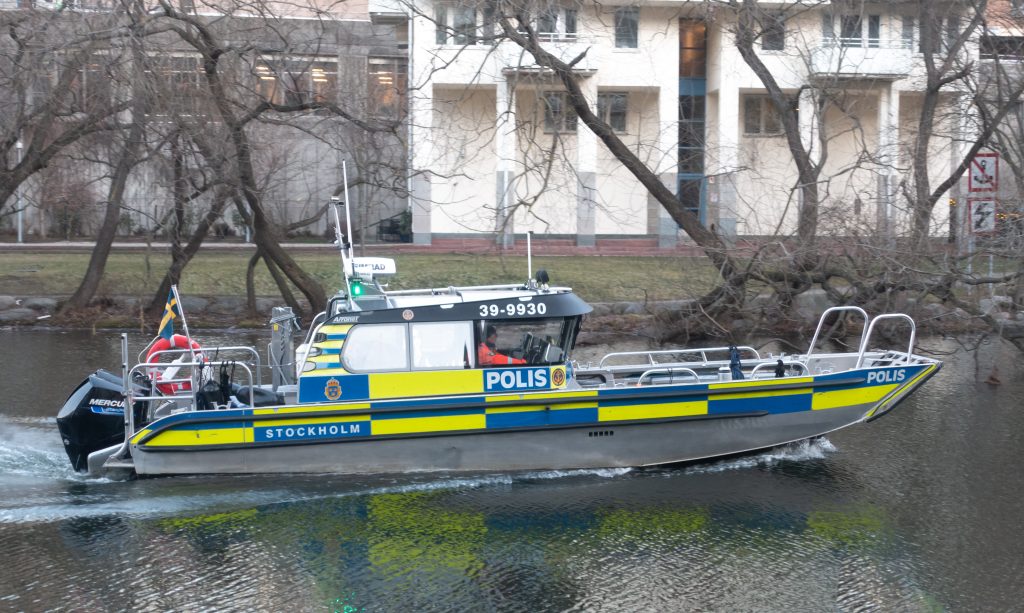
ROV is the perfect tool for inspecting an area of interest or for searching for missing objects. For larger areas, the surface is first scanned with sonar and then a film camera is used for closer visual inspection and identification of the object. The use of ROV means that the assignment can be performed very quickly, safely and cost-effectively. Plan the dive at dangerous diving areas with ROV, search the area to save diving time, review larger areas with sonar. There are many reported cases where ROVs have quickly found - often drowned victims - where diving teams have searched without success for days or weeks.
ROCKS AND TUNNELS
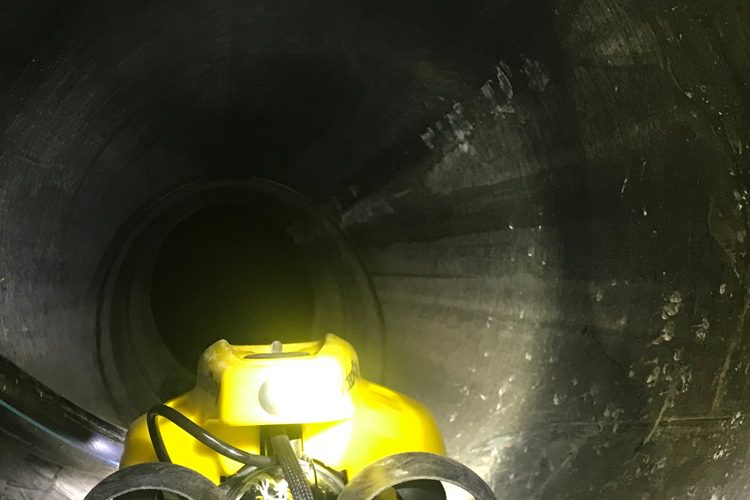
Tunnels and rock chambers are often deep and long. Unavailable and risky to stay in for divers. With the higher safety requirements, there is now a great demand for using ROVs during inspections. To use ROV for status inspection and planning of possible maintenance saves time and makes design more efficient.
WATER USE
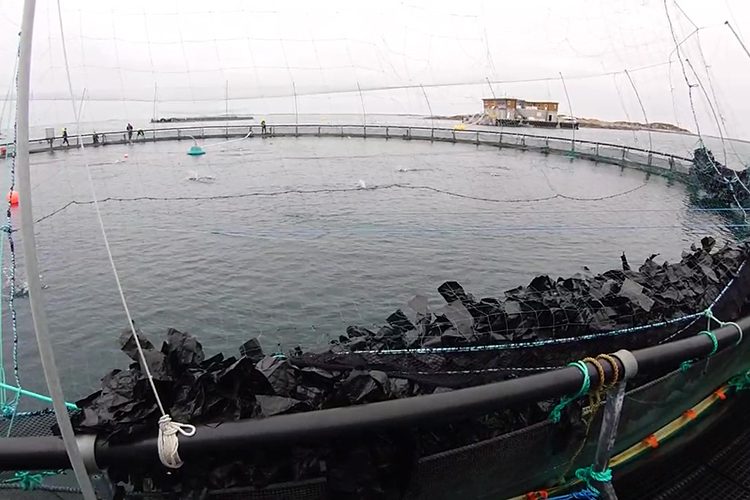
With the increased requirements for self-inspections and monitoring from the Swedish Board of Agriculture, ROV is an effective and profitable tool for your facility. You can quickly identify potentially weak points in your facility, monitor the feeding process to be able to optimize the right amount of feed, check health and mortality, clear nets of dead fish and more. In many of the world's largest fish farms, an ROV system is a matter of course.
SONAR
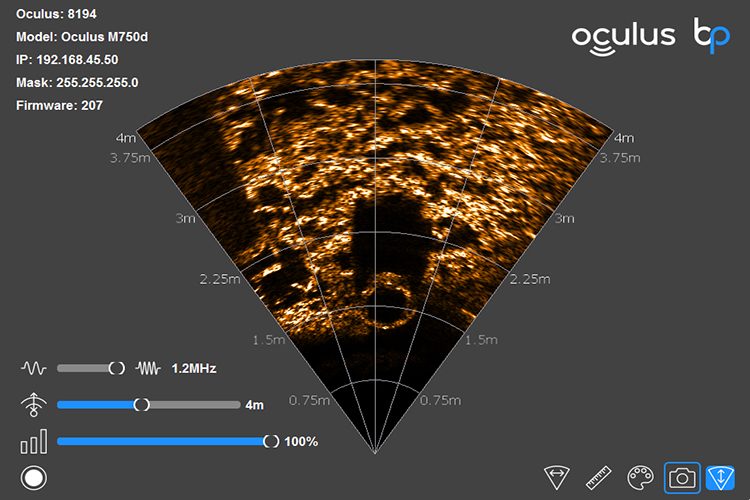
Sonar is an effective tool for inspections with poor visibility. As it is often dark cold water with poor visibility, it is good to have a durable machine that is quickly in the water and scans the search area with sonar. With the ROV's camera, it is quick to dismiss or confirm objects that show the sonar. Regardless of depth, visibility or size of search area, ROV can go down, in and around to investigate places where divers have difficulty moving without risk or where visibility means that it takes time to find their way. ROVs can stay underwater for as long as required with the ability to "fly" near the bottom without pulling up bottom sludge that obscures the view. The diver can then use his diving time in the best way when salvaging the object. In many cases by following the ROV's cable down to the found location
SALVAGE
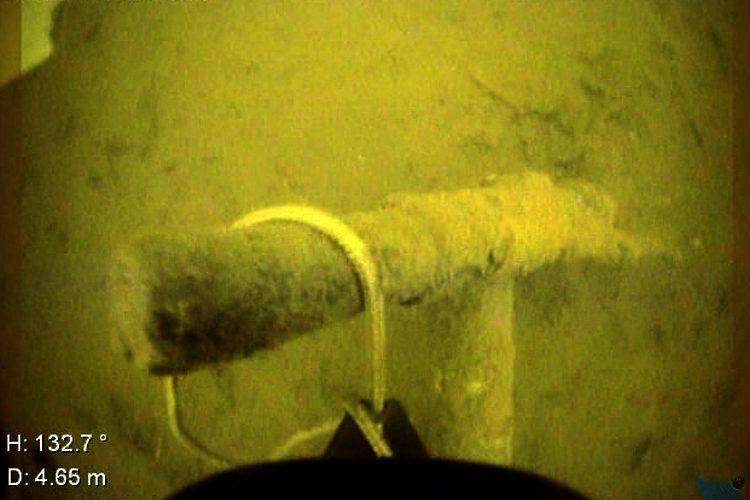
We make a status assessment with ROV how the object is located. After planning, we can in critical places or where it is difficult for divers to work, attach straps, hooks and other salvage aids with the ROV's manipulator arm to then easily and safely work from the surface to get the object up. No one then needs to work in the water. When salvaging with divers, we are there for the diver's safety and the dive leader's overview to monitor the dive and be able to quickly see what measures need to be taken or warn of unforeseen movements on the object.
RESEARCH
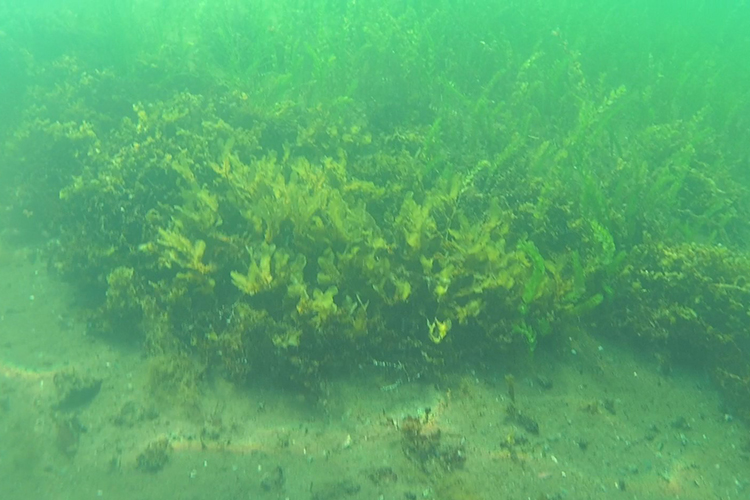
Of course, ROV is an obvious tool and tool in all types of marine research for collecting data that is below the surface, at the bottom, archaeological finds and more. In addition to helping forensic scientists, ROV was used as an enabling tool. ROV is a fast, easy and efficient tool for environmental and hydrographic assessments and can be underwater and collect data for as long as the operator needs. It is easy to maneuver from a boat, beach or land with minimal power consumption. Coastal bottom surveys, water samples, stock surveys and environmental inspections can be carried out with ease with an ROV equipped for the required needs.
OFFSHORE
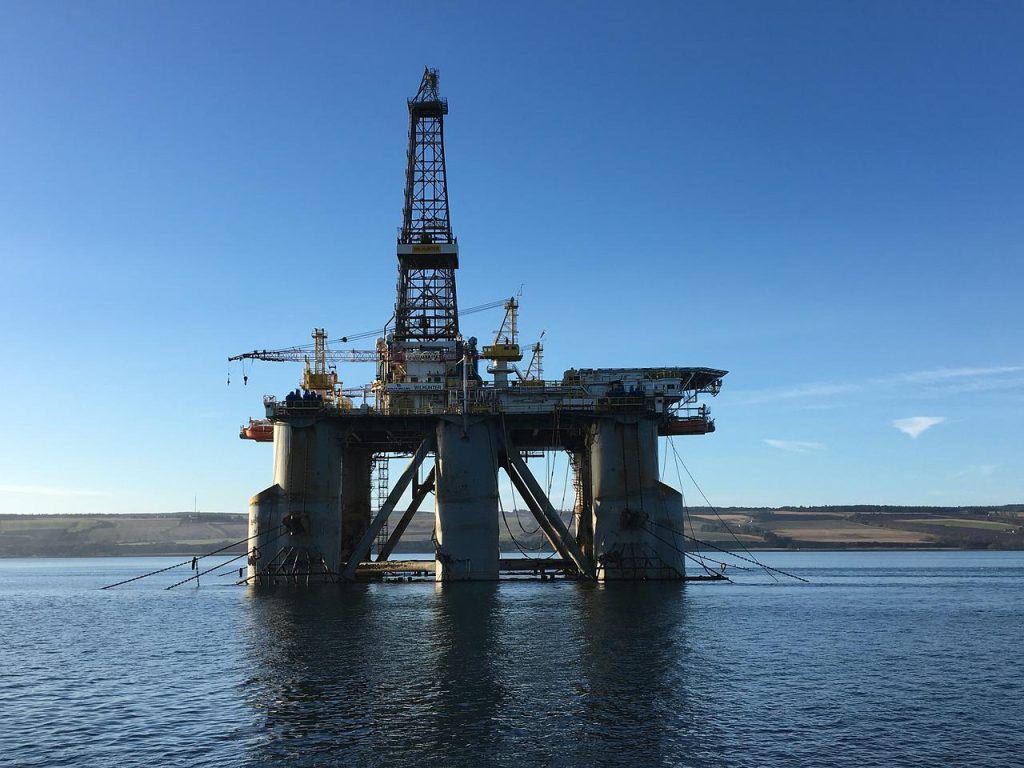
The offshore industry has a significant history of handling large working-class ROVs that handle water depths of more than 300 meters and can carry payloads, tools and more. But the need for an easy-to-handle smaller ROV has increased greatly in the offshore industry to search, inspect, or survey underwater. Our ROV is light and consumes very little power, they can be used in many different areas on rigs, ships etc. and can be used safely on sensitive machines without risk of damage. This type of ROV is also used in hazardous and cramped spaces.
Contact & More Info
Fill in the contact form below if you are interested in any of our services. It is also possible to email info@eramarine.se
More info at eramarine.se